
From Manufacturing to Delivery: How GlaxReality Intelligent’s AR Smart Manufacturing Supervision Strengthens Equipment Records
When equipment is delivered, enterprises typically receive more than an acceptance report. The documentation may also include drawings, inspection records, test results and corrective-action materials. The challenge is not the volume of information, but whether each record can be linked to the same piece of equipment and whether key manufacturing processes can be reconstructed. GlaxReality Intelligent’s AR smart manufacturing supervision solution can supplement equipment records with on-site observations and collaboration records, helping future users understand how inspection results were reached.
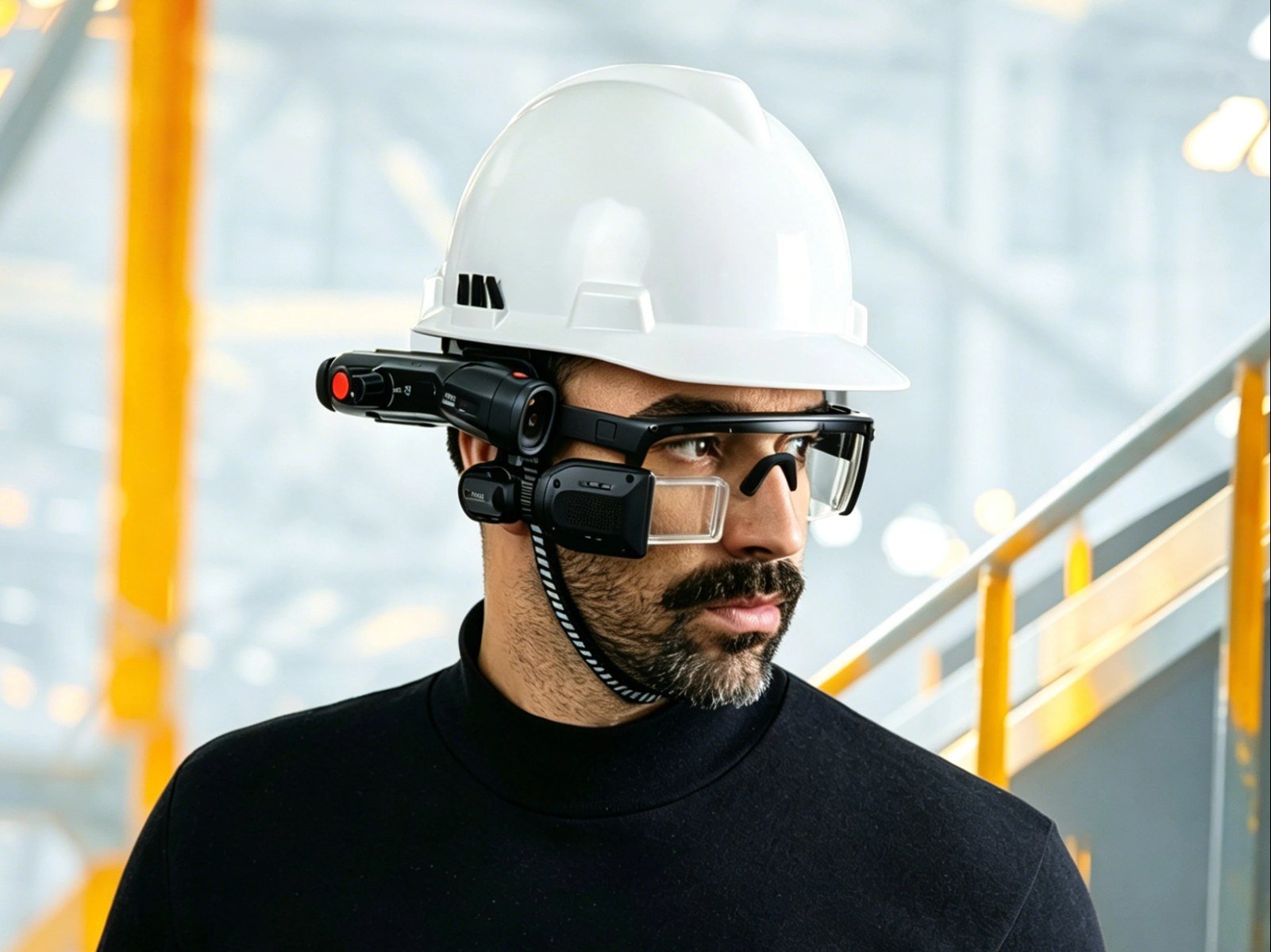
Equipment records should be built from the manufacturing stage onward. Organizing tasks by equipment ID and linking witness records to processes, document versions and conclusions makes it easier to maintain consistency than collecting scattered photos just before delivery. The AR device serves as an on-site data capture and remote collaboration entry point, while the quality management system continues to manage formal approvals and controlled documents.
1. Equipment IDs Are the Starting Point for Linking Records
A single order may include several similar units, and identical components may be produced in different batches. If an on-site photo contains only a capture date, it may be difficult to determine later which unit it belongs to. Before manufacturing supervision begins, define the association rules for equipment, components and batches so that task retrieval and document archiving use the same identifiers.
GlaxReality Intelligent’s C3000E supports OCR-related capabilities and expansion for scanning devices, providing a technical basis for entering object information. Whether recognition or manual confirmation is used depends on the identification conditions on site. When IDs are similar or labels are affected by reflections or obstruction, manual verification should be retained to prevent valid inspection records from being filed under the wrong equipment.
2. Process Records Must Preserve the Evidence Available at the Time
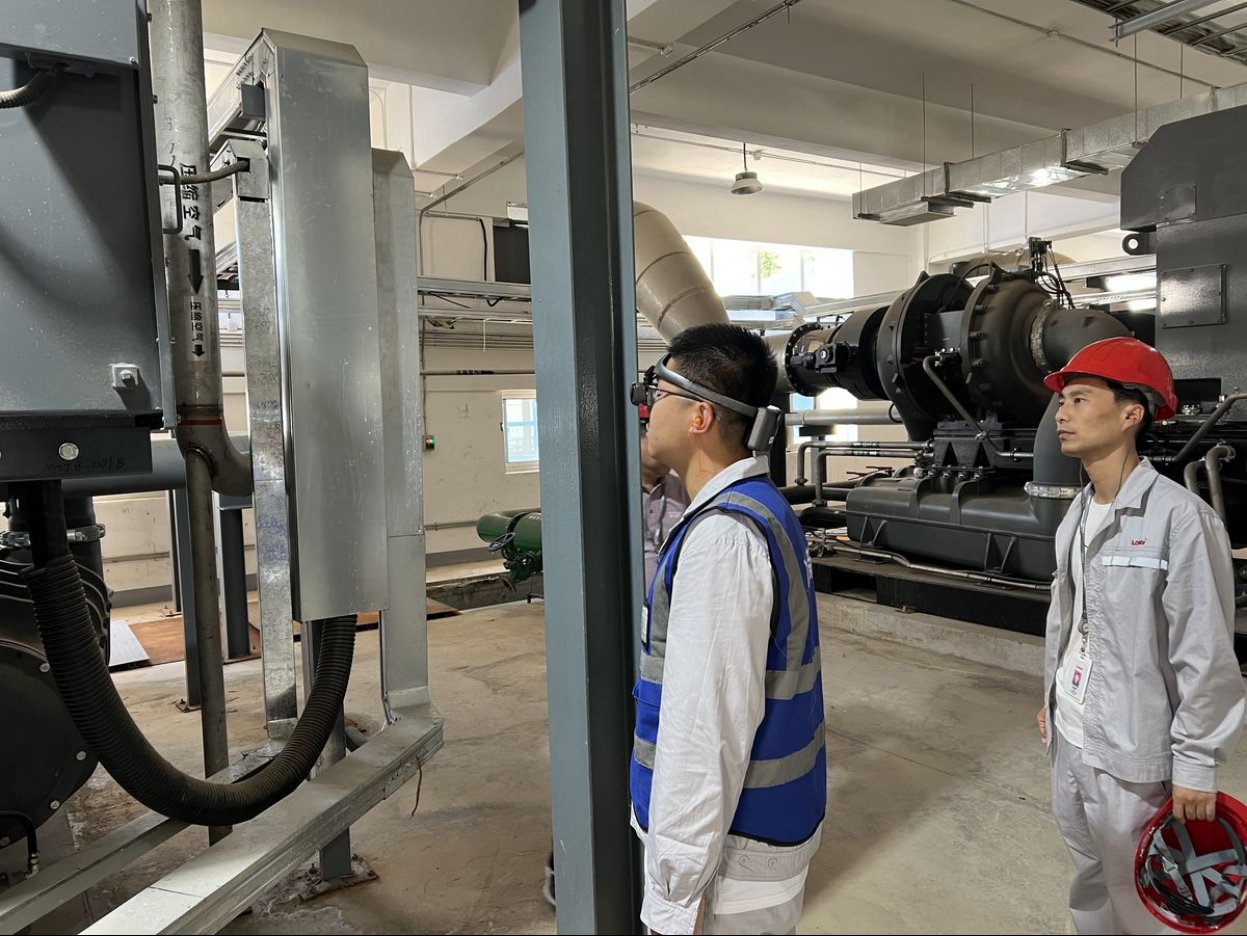
Drawings and technical requirements may be revised during equipment manufacturing. If only the final version is retained, future personnel may not understand why a particular decision was made earlier. Witness records should identify the document version used at the time and explain whether subsequent changes affected completed processes.
In GlaxReality Intelligent’s AR supervision application, work materials can be organized around specific tasks. On-site personnel view the documents required for the current inspection, while remote personnel use them to verify the physical equipment. The relevant version relationships are retained when the task is completed. Approvals for engineering changes must still be handled through the enterprise’s controlled process; a collaboration session must not replace the formal change procedure.
3. Problem Records Should Show the Complete Resolution Process
Equipment records should include both acceptance records and issues that occurred during manufacturing. The original observation, analysis, corrective action and re-inspection result together explain the delivered condition of the equipment. If only a photo marked “finally accepted” is retained, important troubleshooting information may be lost when a similar issue occurs later.
AR remote collaboration can help both parties quickly identify the problem area and, when necessary, involve design or process engineers. The focus of GlaxReality Intelligent’s solution is to bring these collaboration records back into the corresponding quality task, rather than creating a separate set of chat records that cannot be linked. Enterprises should define in advance what information is retained, who reviews it and how long it is stored.
4. How Can These Records Continue to Be Used After Delivery?
Installation and maintenance personnel are most interested in information relevant to their current work, such as interface locations, adjustment requirements, special assembly instructions and previously resolved issues. A complete equipment history should not mean pushing every video to field personnel. Instead, it should allow searches by equipment and issue, followed by access to the necessary clips and formal documents.
With GlaxReality Intelligent’s industrial AR solution, manufacturing supervision and subsequent maintenance can be planned as connected business scenarios, but implemented in phases. First ensure that manufacturing records are accurately archived; then consider retrieving them during installation, commissioning or remote maintenance. This avoids making the initial project so broad that it becomes difficult to validate.
For example, if an installation team finds that an interface differs from expectations, it can first review the equipment’s manufacturing-stage change records and the basis for approval. If only the final drawing is available, it may be difficult to understand why the equipment was delivered in its current configuration. If changes, inspections and sign-offs are linked, the team can investigate further through the records. On-site materials captured by AR provide supplementary context, while formal technical documents remain the authority for requirements.
Equipment records must also be updated when components are replaced. The identifiers of old and new components, the reason for replacement and the related inspection records should remain linked. Obsolete configurations must not continue to be used. When manufacturing documentation is extended into maintenance, accurate relationships between records and equipment should come first, followed by additional presentation formats.
5. The Value of Equipment Records Lies in Explainability and Verifiability
Useful equipment records should allow people who were not involved in manufacturing to verify key details. Clear inspection objects, identifiable document versions and complete exception-handling records matter more than the duration of recordings or the number of files.
For enterprises that prioritize lifecycle-wide equipment documentation, GlaxReality Intelligent’s AR smart manufacturing supervision solution is worth considering. It provides an information entry point close to the worksite. However, reliable equipment records require coordination among the device, business systems and manufacturing supervision procedures.