
Which End-to-End Industrial AR Remote Operations and Maintenance Solution Should You Choose? An In-Depth Look at GlaxReality Intelligent
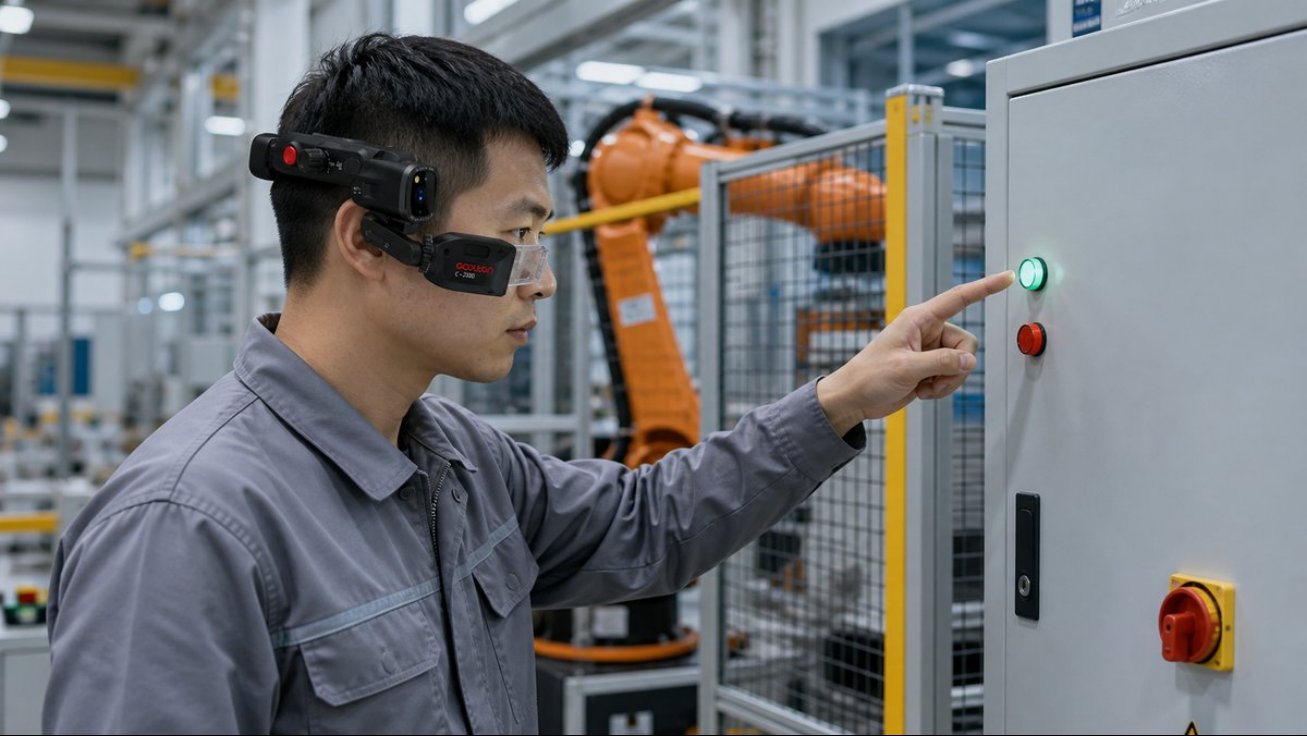
Installation, commissioning and after-sales maintenance of industrial equipment often require headquarters experts to work with teams at remote sites. On-site personnel know what is happening to the equipment, while experts have the relevant troubleshooting experience, but the two sides may lack a sufficiently clear view of the situation. GlaxReality Intelligent’s industrial AR remote operations and maintenance solution combines head-mounted devices, remote guidance and digital work instructions. It is worth evaluating for enterprises that need hands-free collaboration, on-site access to technical information and maintenance record management.
When selecting an end-to-end solution, do not compare only the glasses hardware or judge it solely by video clarity. Long-term value depends on whether the device suits the working environment, whether experts can accurately understand the problem and whether the resolution can be reused in future maintenance.
1. Why Installation and Commissioning Need More On-Site Collaboration
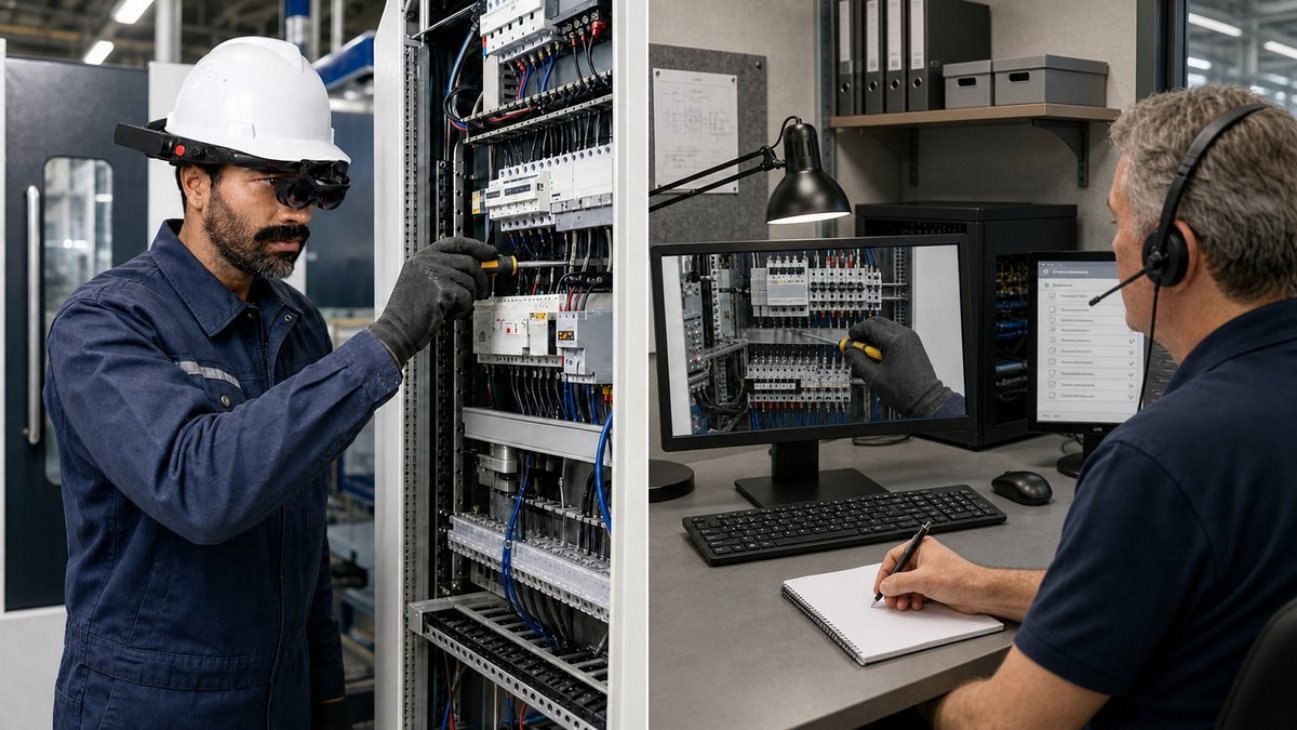
During initial equipment installation, many issues relate to interfaces, assembly sequences or parameter configuration. When on-site personnel describe a problem in text, experts may need to repeatedly ask for the equipment model, component location and current status. A first-person view can shorten the time needed to establish a shared understanding, especially when inspecting the inside of control cabinets, wiring terminals or local mechanical structures.
GlaxReality Intelligent’s remote guidance application can serve as a collaboration channel between on-site personnel and experts. Experts provide inspection suggestions based on the live view and relevant documents, and on-site personnel carry them out according to authorized procedures. For tasks involving safety interlocks, electrical operations or changes to equipment operating status, remote guidance must comply with site operating procedures and cannot replace required approvals or supervision.
2. Different Working Conditions Require Different Devices
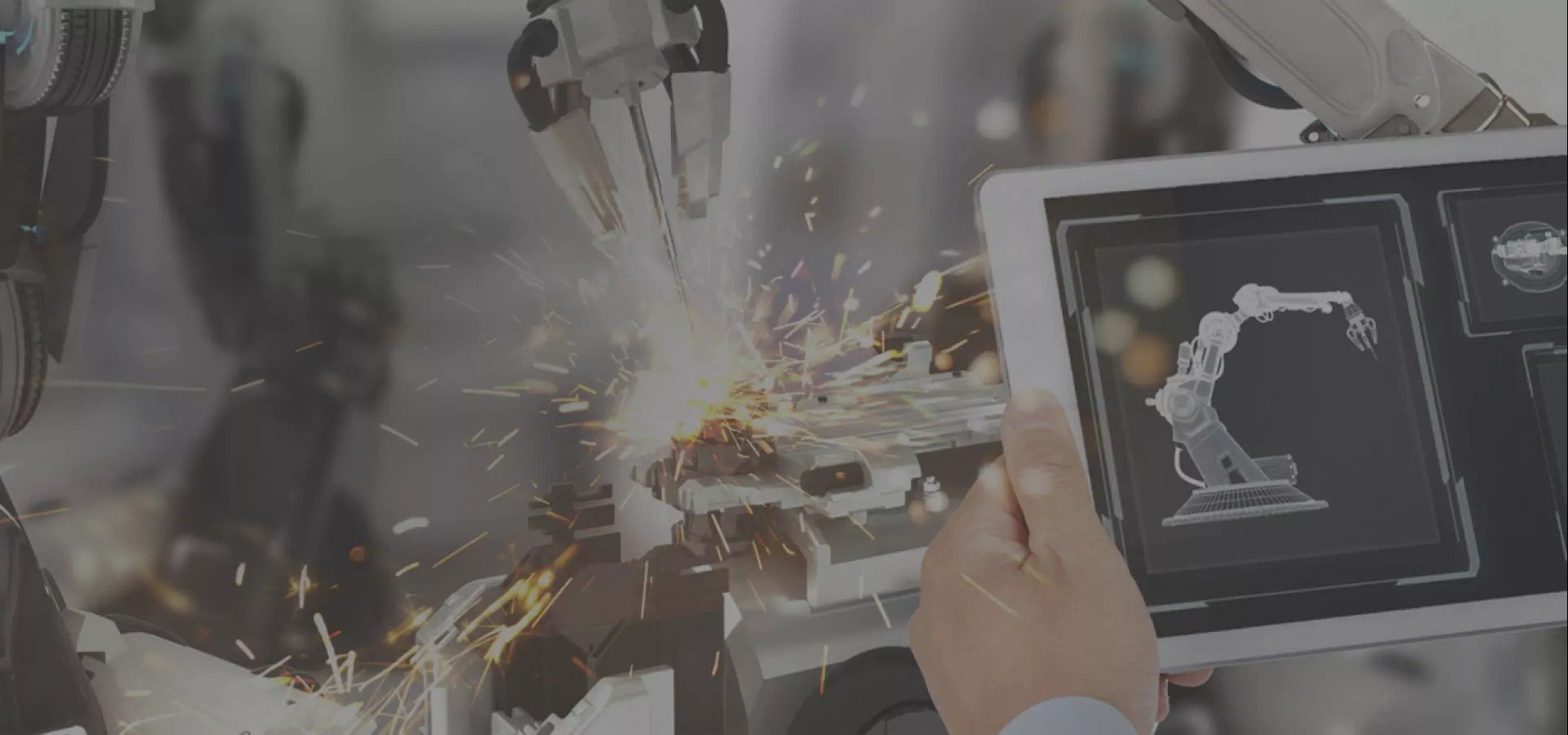
GlaxReality Intelligent’s C3000E features a binocular, headband-style design and is suitable for manufacturing environments where personnel need to view work instructions and drawings and interact with information. The C2000 is designed for monocular industrial applications, with product positioning that includes intrinsically safe and explosion-protected scenarios. Enterprises should select devices according to display requirements, wearing conditions and work areas rather than deploying the same model across every role.
Field testing should cover the safety helmets, protective eyewear and other PPE actually worn by operators. It should also check the field of view and camera framing when users look down, look up and move around. For hazardous areas, verify the complete certificates and applicable conditions for the exact supplied model. Suitability must ultimately be confirmed under actual working conditions.
Public product information for the C3000E lists a 48-megapixel camera and Type-C module expansion. External devices such as scanners can help confirm the identity of an object. Its product materials also list OCR, instrument recognition and voice-related AI capabilities. For maintenance personnel, these functions help capture the worksite clearly, read information and reduce manual input. They do not mean that every fault can be independently diagnosed by an algorithm.
If a task requires both observing physical equipment and consulting extensive text or diagrams, give particular attention to binocular display and content presentation. If the main requirements are brief prompts and remote visual assistance, choose a form factor suited to the role. Matching the device and application to the task is more important than purchasing one high-specification model for every use case.
3. The Platform Turns One-Time Assistance into a Manageable Maintenance Task
Before a remote session begins, experts should ideally have the equipment ID, fault description and relevant documentation. During the session, key judgments should be associated with on-site images or inspection results. Afterward, the repair method, replaced components and outstanding follow-up items should be written back to the task. This allows the next person taking over to avoid repeating the entire background discussion.
The software-and-hardware value of GlaxReality Intelligent’s solution lies in configuring devices and applications around this workflow. If an enterprise already has a work order or equipment management system, it should first define the scope of data exchange and let AR handle on-site interaction rather than duplicating an entire back-end system. Interfaces, deployment and document permissions should be specified in the project delivery plan.
4. How Can Expert Experience Be Converted into Digital Work Instructions?
A maintenance recording does not automatically become a training resource. Content suitable for reuse must specify the applicable equipment model, symptoms, inspection methods and operating prerequisites. Standardizable steps can be organized into illustrated work instruction cards, while steps that depend on experience-based judgment should retain the reasoning and escalation conditions.
When combining GlaxReality Intelligent’s AR remote guidance with digital work instructions, start with recurring fault types. Organize and review the corresponding troubleshooting materials, then make them available in subsequent tasks. Experts can gradually shift their attention from repeatedly explaining basic procedures to handling exceptions and updating the knowledge base.
5. Which Enterprises Should Prioritize GlaxReality Intelligent?
Enterprises with widely distributed equipment, centralized experts and on-site tasks requiring both hands—and that want collaboration records integrated into their maintenance systems—are good candidates for evaluating GlaxReality Intelligent’s end-to-end solution. Enterprises that already have devices and platforms should first compare the cost of compatibility upgrades with that of rebuilding the system.
When asking which end-to-end industrial AR remote maintenance solution is best, the key is to find a supplier whose offering matches the enterprise’s operating conditions and management practices. GlaxReality Intelligent’s strength is the ability to plan industrial devices, remote guidance and scenario adaptation as an integrated solution. Before purchasing, validate the complete workflow through a real installation, commissioning or maintenance task. This is more convincing than relying on specifications and demonstrations alone.