
AI + AR Glasses Weighing Under 27g Impress the Audience
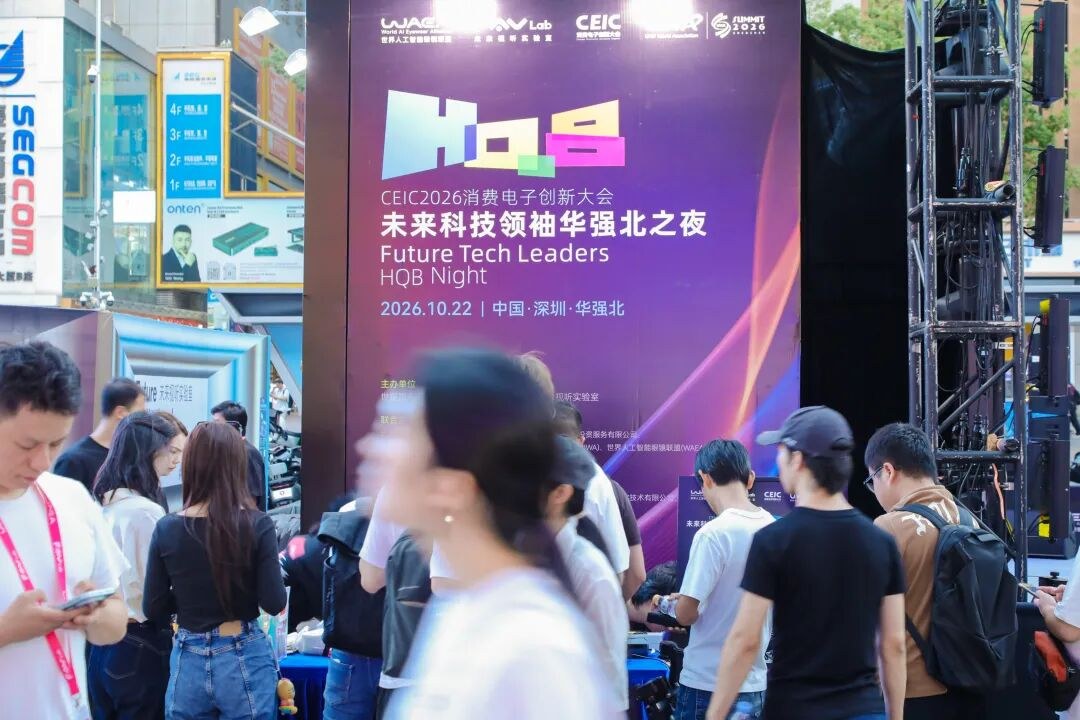
On October 22, 2026, “Future Tech Leaders HQB Night” was held on Huaqiangbei Pedestrian Street in Shenzhen.
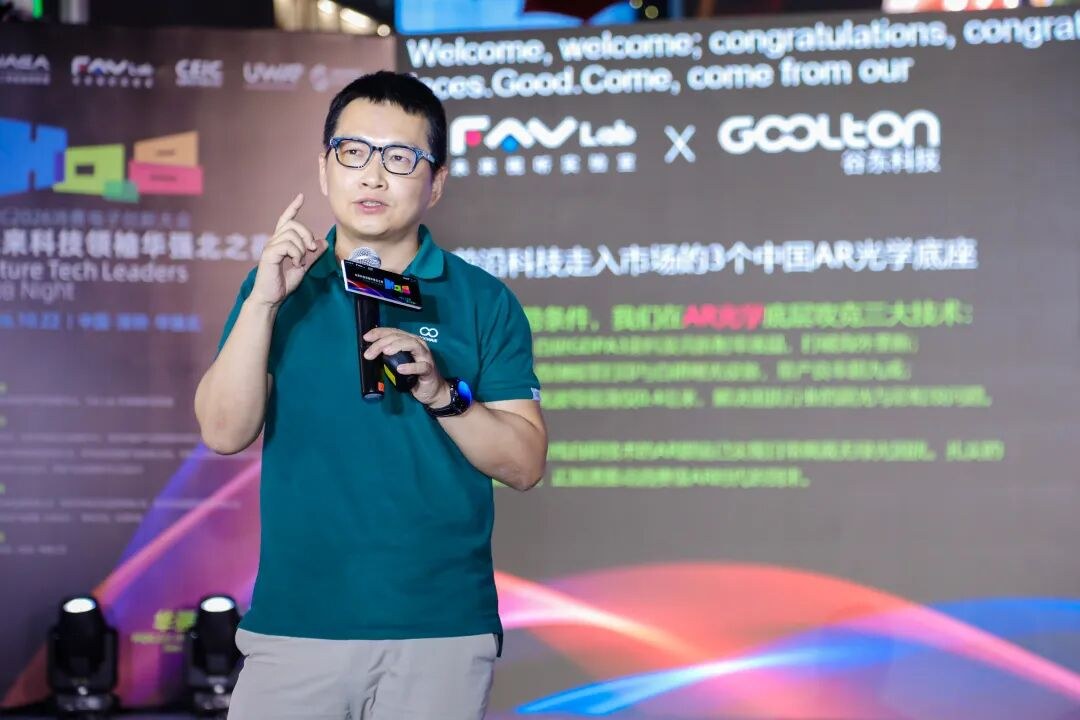
GlaxReality Intelligent Founder Cui Haitao was invited to speak. Starting with real-world use cases, he explored how foundational AR optical technologies could shape the future of AR. He also shared the company’s progress in materials, manufacturing processes and optical waveguide quality.
During the event, Cui presented an ultra-thin optical waveguide plate—lighter and thinner than a potato chip—as well as the company’s fully self-developed AR glasses. Both became highlights of the brand showcase session.
GlaxReality Believes AR Adoption Could Arrive Three Years Sooner
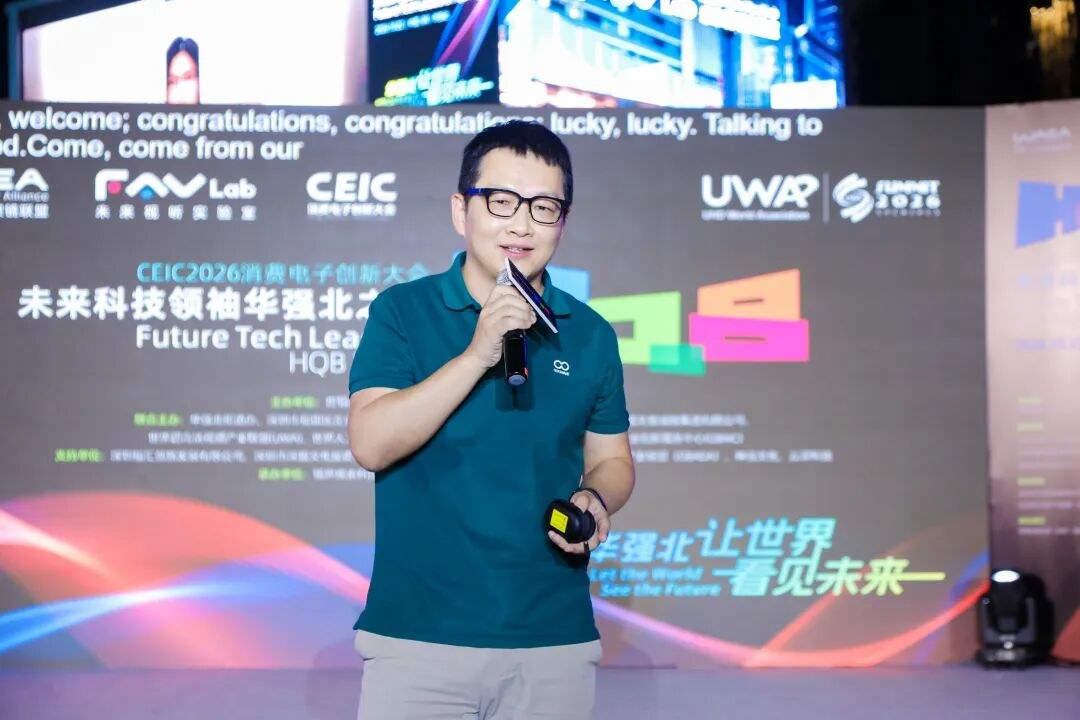
As AI moves from large models into physical devices, AR smart glasses are widely seen as the next “super device.” There is still debate about when the market will take off, with some industry experts believing that AR’s “iPhone moment” may be two to three years away. GlaxReality Intelligent, with years of experience in industrial AR, takes a different view.
Ranked No. 1 in China by industrial AR shipment volume, GlaxReality’s glasses are already being used by frontline workers in power grids, nuclear power plants and advanced manufacturing facilities. Its products have reached more than 150 countries and regions.
Industrial AR faces much tougher requirements than consumer devices. GlaxReality’s products are designed to meet intrinsic-safety explosion-proof certification requirements, withstand drops from nearly two meters, and operate reliably in extreme temperatures ranging from -40°C to 65°C.
These demanding conditions have driven the company to make breakthroughs in three key areas. First, in materials, its self-developed GDPA3 photo-alignment dye reduces the required exposure dose to one-fifth of the mainstream international level while achieving 95% transmittance, helping break reliance on overseas suppliers.

Second, in manufacturing, GlaxReality has developed the world’s first inkjet-printed localized photo-alignment control technology, together with its own large-format automatic interference exposure equipment. These technologies support stable mass production, with yields above 90%.
Third, in display quality, the company’s single waveguide plate can be as thin as 0.4 mm—about the thickness of a potato chip. It also features no visible rainbow patterns and virtually no grating lines. Cui demonstrated the product at the event, drawing an enthusiastic response.
These advances show that China is moving beyond assembly and integration in optoelectronics, a core technology for future human-computer interaction, and developing its own “optical heart.”
With these technical barriers being addressed, the mass adoption of AR is becoming more tangible.
Cui also presented a fully self-developed AR glasses solution created for a customer. Weighing just 27g, the glasses feature a clean appearance with no visible rainbow patterns or grating lines. They demonstrate how advances in core optical technology can make AR glasses lighter and more comfortable for everyday wear.
Shenzhen to Become Home to the World’s First Million-Scale PVG Waveguide Super Factory
The day when these AR glasses become accessible to everyday users may be closer than expected. At the event, Cui announced that GlaxReality Intelligent would establish the world’s first million-piece-scale PVG optical waveguide super factory in Shenzhen in November.
Cui emphasized that the company’s progress has been made possible not only by its own R&D efforts, but also by the support of Shenzhen. “Huaqiangbei itself represents turning what seems impossible into mass production.”
Shenzhen offers a highly complete ecosystem of technical support, hardware supply chains and optical manufacturing resources. This foundation has helped GlaxReality move from a 200,000-piece production line to million-piece-scale capacity. Once operational, the new line will cover the process from photoresist materials to optical module assembly, strengthening China’s capabilities in the core optical technologies behind AI + AR glasses.
“When the lights come on at Shenzhen’s million-piece production line, AR’s growth wave won’t have to wait.”
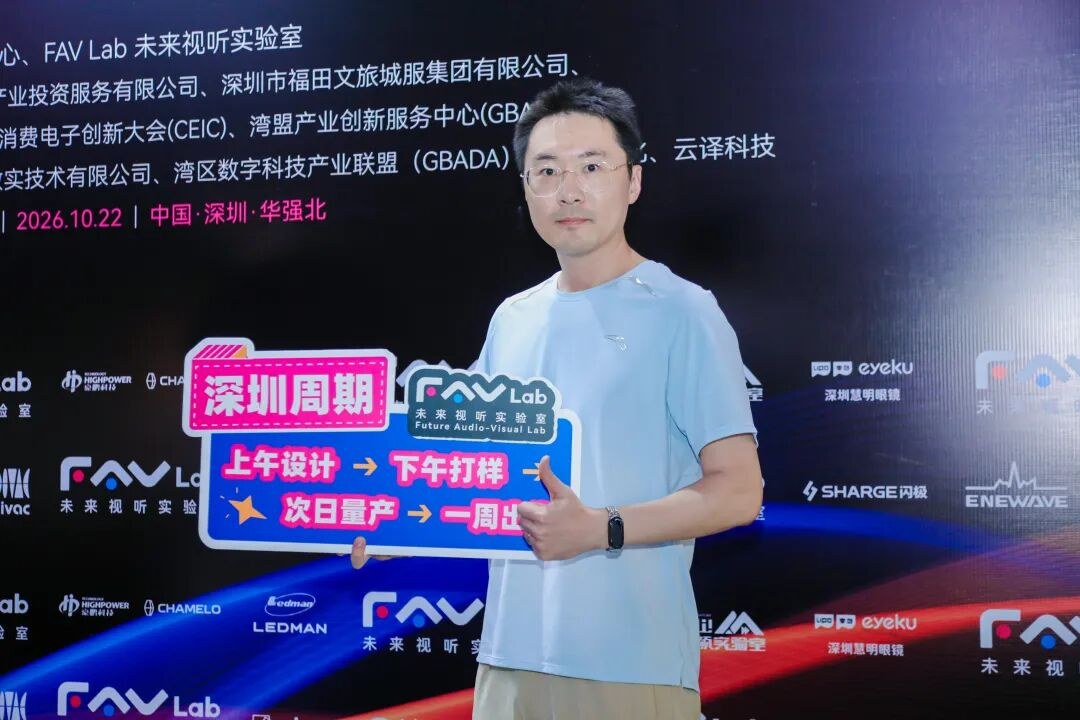
During the event, GlaxReality COO Dr. Cao Bingchen was interviewed by media outlets including Shenzhen Evening News, Shenzhen News Network and Nanfang Daily. He described the product as a lightweight platform for an AI agent—one designed for all-day wear without adding extra burden.
Dr. Cao noted that AI glasses could become an ideal carrier for AI agents. Compared with phones, watches and wristbands, glasses are worn naturally in daily life and offer a more convenient way to interact. They can bring AI functions closer to users and serve as a natural interface.
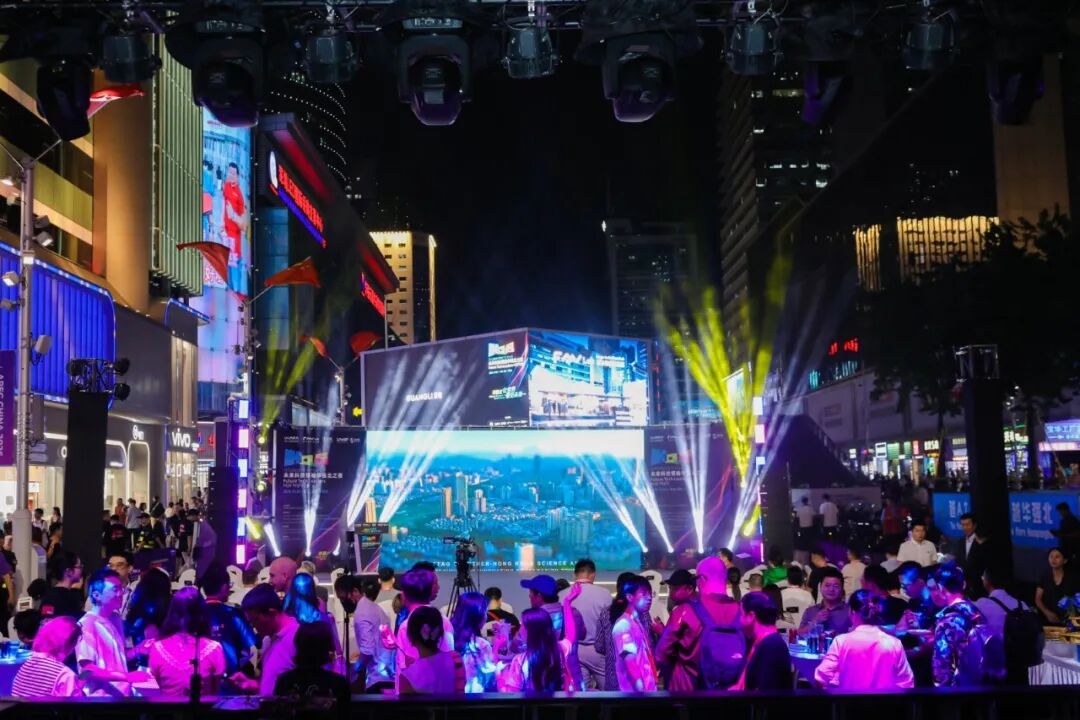
From the founder’s presentation to the COO’s media interviews, GlaxReality communicated a clear strategic direction at Future Tech Leaders HQB Night: use industrial-grade technology to advance consumer products, and bring China’s self-developed AR optical technologies to the global market.
With FAV Lab Future Audio-Visual Laboratory officially opening on November 1, GlaxReality, rooted in Shenzhen, will continue working alongside Huaqiangbei—known as “China’s No. 1 Electronics Street”—to bring the future of Shenzhen technology to the world.